

India is experiencing rapid technological growth as digital devices become essential tools for communication, education, healthcare, and business. Smartphones, computers, smart home devices, and various electronic appliances are now widely used across urban and rural areas. While these innovations improve productivity and connectivity, they also contribute to the increasing generation of electronic waste when devices become obsolete or non-functional.
Electronic waste, commonly known as e-waste, is one of the fastest-growing waste streams in the world. Discarded electronics contain valuable metals and reusable materials, but they also include hazardous substances that must be handled carefully. Managing this waste efficiently has become a major environmental and economic priority for India.
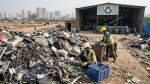
Looking ahead, the future of e-waste management in India will likely rely on two major developments: digital tracking systems that improve regulatory oversight and the adoption of a circular economy model that focuses on reuse, refurbishment, and recycling. Together, these approaches can transform the way electronic products are manufactured, used, and recovered after their lifecycle ends.
Table of Contents
Understanding the Current E-Waste Landscape in India
India generates a significant amount of electronic waste each year due to its large population, expanding digital infrastructure, and growing electronics market. Devices such as smartphones, computers, televisions, and networking equipment are replaced frequently as technology evolves.
Urban areas, corporate offices, government institutions, and manufacturing industries all contribute to the growing volume of discarded electronic products. As these devices accumulate, managing them safely becomes increasingly important for protecting both environmental and public health.

Electronic waste contains valuable materials such as copper, aluminum, gold, and rare earth elements that can be recovered through recycling. At the same time, improper disposal of electronic devices can release toxic substances like lead, mercury, and cadmium into the environment.
Because of these risks, India has introduced regulatory frameworks and digital systems to ensure that electronic waste is processed through safe and organized recycling channels.
Digital Tracking Systems in E-Waste Management
One of the most important developments shaping the future of e-waste management in India is the use of digital monitoring systems. Government authorities have introduced online platforms that allow regulators to track the lifecycle of electronic products and monitor recycling activities.
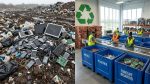
The EPR portal managed by the Central Pollution Control Board (CPCB) is a key example of this digital approach. Through this portal, producers, recyclers, refurbishers, and manufacturers can register their operations, report recycling activities, and maintain compliance with environmental regulations.
Digital tracking systems allow authorities to collect accurate data about the quantity of electronic products introduced into the market and the amount of waste that is recycled. This information helps regulators verify compliance with recycling targets and identify areas where waste management systems need improvement.
By improving transparency and accountability, digital monitoring tools strengthen the effectiveness of e-waste regulations and reduce the possibility of unregulated recycling activities.
Role of Technology in Improving Recycling Efficiency
Technology will play a major role in improving the efficiency and safety of e-waste recycling processes. Advanced recycling technologies are capable of extracting valuable metals and materials from electronic components with greater precision and reduced environmental impact.
Modern recycling facilities use automated sorting systems, chemical recovery processes, and specialized equipment to dismantle electronic devices and separate materials for reuse. These technologies allow recyclers to recover metals such as gold, copper, and aluminum while minimizing waste.
Data analytics and artificial intelligence may also help optimize recycling operations by predicting waste generation trends and improving supply chain coordination between collection centers and recycling facilities.
As these technologies become more widely adopted, the recycling industry will be able to process larger volumes of electronic waste while maintaining high environmental safety standards.
The Concept of a Circular Economy in Electronics
A circular economy represents a shift from the traditional “take-make-dispose” model of production toward a system where resources are reused, repaired, refurbished, and recycled for as long as possible.
In the electronics sector, this concept encourages companies to design products that are easier to repair, upgrade, and recycle. Instead of discarding devices after a short period of use, products can be repaired or refurbished to extend their lifespan.
Circular economy strategies also involve recovering valuable materials from electronic waste and reintroducing them into the manufacturing process. By doing so, industries can reduce their reliance on newly extracted raw materials.
This approach not only reduces environmental impact but also improves resource efficiency and supports long-term sustainability.
Government Initiatives Supporting Circular E-Waste Management
The Government of India has introduced several initiatives to promote sustainable waste management and encourage the transition toward a circular economy.
The E-Waste (Management) Rules, 2022 emphasize the principle of Extended Producer Responsibility (EPR). Under this framework, producers are responsible for ensuring that electronic products they introduce into the market are eventually collected and recycled through authorized facilities.
The government has also encouraged the development of formal recycling infrastructure and digital compliance systems such as the CPCB’s EPR portal. These systems help track recycling activities and ensure that companies meet their environmental obligations.
Through these initiatives, policymakers aim to create a more organized and efficient electronic waste management system that supports sustainable economic growth.
Opportunities for Businesses in Sustainable Electronics
The transition toward a circular economy creates new opportunities for businesses across the electronics value chain. Manufacturers can develop products that are easier to repair and upgrade, reducing waste while improving customer satisfaction.
Recycling companies can expand their operations by investing in advanced processing technologies that recover valuable materials from electronic waste. These materials can then be sold back to manufacturers, creating a closed-loop supply chain.
Refurbishment businesses also play an important role in the circular economy by repairing used devices and extending their useful life. This reduces waste generation while providing affordable electronic products to consumers.
Companies that adopt sustainable practices early may gain competitive advantages as environmental regulations become more prominent worldwide.
Challenges That Must Be Addressed
Despite progress in digital monitoring and circular economy initiatives, several challenges remain in India’s e-waste management system. One major challenge is the presence of a large informal recycling sector where electronic waste is dismantled without proper safety measures.
Limited awareness among consumers about authorized recycling channels also affects waste collection rates. Many individuals are unaware of take-back programs or recycling centers where they can dispose of electronic devices safely.
Infrastructure development is another important challenge. Establishing modern recycling facilities requires investment, skilled workforce training, and regulatory support.
Addressing these challenges will require coordinated efforts from government authorities, industry stakeholders, and consumers.
Key Elements Shaping the Future of E-Waste Management
The future of e-waste management in India will depend on a combination of technological innovation, regulatory enforcement, and public participation.
| Future Trend | Expected Impact |
|---|---|
| Digital Monitoring Systems | Improved transparency and compliance tracking |
| Advanced Recycling Technologies | Higher recovery rates for valuable materials |
| Circular Product Design | Longer product lifecycles and reduced waste |
| Producer Responsibility Programs | Greater accountability for manufacturers |
| Consumer Awareness Campaigns | Increased participation in recycling systems |
These developments will help build a more efficient and environmentally responsible electronic waste management system.