
Electronic devices are now a fundamental part of daily life. Smartphones, laptops, home appliances, and other digital technologies support communication, education, business, and entertainment. As these devices become more affordable and widely used, the number of electronic products entering the market continues to grow each year.
However, the rapid growth of electronics consumption has also led to a significant increase in electronic waste (e-waste). When devices become outdated, damaged, or replaced by newer models, they are often discarded. Many of these products contain hazardous substances such as lead, mercury, and brominated flame retardants that can cause environmental pollution if not handled properly.

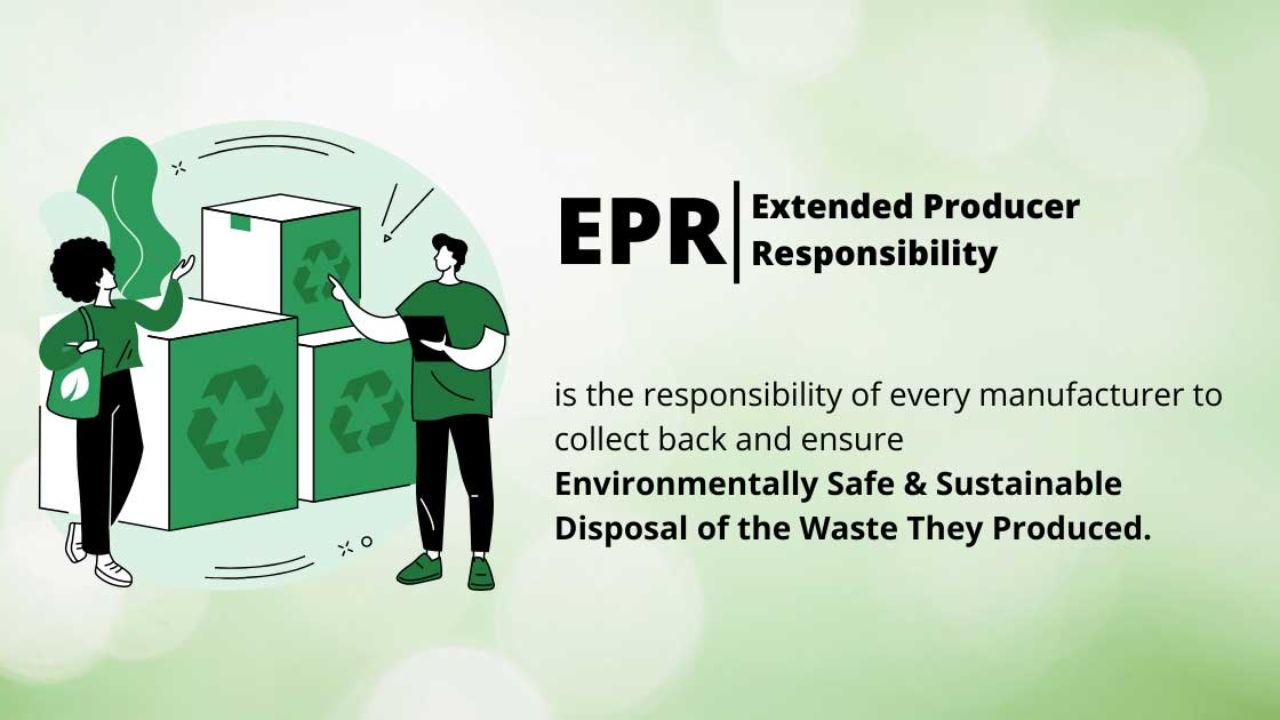
To address this challenge, governments around the world have adopted the concept of Extended Producer Responsibility (EPR). This policy requires producers of electronic products to take responsibility for the entire lifecycle of their products, including the collection, recycling, and safe disposal of electronic waste. EPR has become a key strategy for building a sustainable and environmentally responsible electronics industry.
Table of Contents
Understanding the Concept of Extended Producer Responsibility
Extended Producer Responsibility is an environmental policy approach designed to ensure that producers remain accountable for the environmental impact of their products even after the products are sold to consumers.
Traditionally, waste management responsibilities were handled primarily by local governments or municipalities. However, the increasing complexity of electronic products and the hazardous materials they contain made it difficult for public waste systems to manage electronic waste effectively.

Under EPR policies, manufacturers, brand owners, and importers are required to establish systems for collecting and recycling the products they introduce into the market. This shifts part of the responsibility for waste management from governments to producers, encouraging companies to design products that are easier to recycle and safer for the environment.
The approach promotes a lifecycle perspective where environmental responsibility begins at the product design stage and continues until the product is safely recycled or disposed of.
The Growing Challenge of Electronic Waste
Electronic waste is one of the fastest-growing waste streams in the world. As technology evolves rapidly, devices are replaced more frequently, leading to shorter product lifecycles and larger volumes of discarded electronics.

Many electronic products contain valuable materials such as copper, aluminum, and precious metals. At the same time, they also include toxic components that require specialized handling and recycling processes. When electronic waste is dumped in landfills or processed through unsafe informal recycling methods, harmful substances can contaminate the environment.
The improper disposal of electronic waste can lead to soil and water pollution, damage ecosystems, and pose serious health risks to workers involved in informal recycling activities. Without a structured waste management system, the environmental impact of discarded electronics can become difficult to control.
Extended Producer Responsibility provides a framework for addressing this challenge by ensuring that producers actively participate in managing electronic waste.
How EPR Supports Sustainable Electronics
Sustainable electronics refers to the design, production, use, and disposal of electronic products in a way that minimizes environmental harm and promotes resource efficiency. Extended Producer Responsibility plays a crucial role in achieving this goal.
When producers are responsible for managing the waste generated by their products, they have a stronger incentive to improve product design. Companies may focus on developing devices that are more durable, easier to repair, and simpler to recycle.
EPR also encourages the reduction of hazardous materials in electronic products. By minimizing the use of toxic substances, producers can reduce the environmental risks associated with product disposal and recycling.
In addition, EPR systems help establish organized collection networks that ensure electronic waste is directed toward authorized recycling facilities. This improves the efficiency of waste management systems and supports environmentally responsible recycling practices.
Key Benefits of Extended Producer Responsibility
Extended Producer Responsibility offers several advantages for the environment, industry, and society. The following table highlights some of the major benefits associated with EPR policies.
| Benefit | Explanation |
|---|---|
| Environmental Protection | Ensures hazardous electronic waste is managed safely and prevents pollution |
| Resource Recovery | Encourages recycling of valuable metals and materials from electronic products |
| Sustainable Product Design | Motivates producers to design products that are easier to recycle and repair |
| Formal Recycling Industry Growth | Supports the development of authorized recycling facilities and infrastructure |
| Reduced Government Burden | Transfers part of the waste management responsibility to producers |
These benefits contribute to a more sustainable electronics industry while protecting natural resources and public health.
Role of Producers in EPR Systems
Producers play a central role in the successful implementation of Extended Producer Responsibility programs. Their responsibilities extend beyond manufacturing and selling electronic products.
Companies must ensure that the electronic products they introduce into the market are eventually collected and recycled. This may involve establishing take-back programs, partnering with recycling companies, or contributing to collective recycling systems.
Producers are also required to track the quantity of products they place in the market and meet recycling targets assigned by regulatory authorities. These targets are typically based on the volume of electronic products sold in previous years.
In many countries, producers must obtain recycling certificates from authorized recyclers as proof that their products have been processed in an environmentally responsible manner. These systems ensure that producers actively participate in managing electronic waste.
Contribution of EPR to a Circular Economy
The concept of a circular economy focuses on keeping resources in use for as long as possible through reuse, repair, refurbishment, and recycling. Instead of discarding products after a single use cycle, materials are recovered and reintroduced into the production process.
Extended Producer Responsibility supports this model by encouraging the recovery of valuable materials from electronic waste. Metals, plastics, and components extracted from discarded electronics can be reused in manufacturing new products.
By reducing the need for raw material extraction, recycling helps conserve natural resources and reduces the environmental impact associated with mining and manufacturing processes.
EPR policies therefore play a critical role in transitioning from a linear economy, where products are used and discarded, to a circular economy where resources are continuously reused.
Challenges in Implementing EPR Systems
Although Extended Producer Responsibility offers many advantages, implementing these systems can present several challenges. One major challenge is the presence of informal recycling sectors that operate outside regulatory frameworks.
In many regions, informal recyclers dismantle electronic waste without proper safety measures. This can lead to environmental contamination and unsafe working conditions. Integrating these informal sectors into formal recycling systems remains an important task for policymakers.
Another challenge is ensuring accurate reporting and compliance by producers. Regulatory authorities must establish monitoring mechanisms that verify whether companies are meeting their recycling obligations.
Public awareness is also an important factor. Consumers must understand the importance of returning discarded electronics through authorized collection channels instead of disposing of them with general waste.
Despite these challenges, EPR remains one of the most effective strategies for managing electronic waste responsibly.
Future of Extended Producer Responsibility in the Electronics Industry
As global demand for electronics continues to rise, the importance of responsible waste management will become even greater. Extended Producer Responsibility is expected to play an increasingly significant role in shaping the future of the electronics industry.
Advances in digital monitoring systems and regulatory frameworks are making it easier to track electronic waste and ensure compliance with environmental standards. Governments are also strengthening recycling targets and encouraging innovation in sustainable product design.
Many electronics companies are now adopting circular economy practices, such as designing modular devices that can be repaired or upgraded instead of replaced. These developments align closely with the goals of EPR policies.
Over time, the continued implementation of Extended Producer Responsibility can help build a more sustainable electronics ecosystem that balances technological progress with environmental protection.