
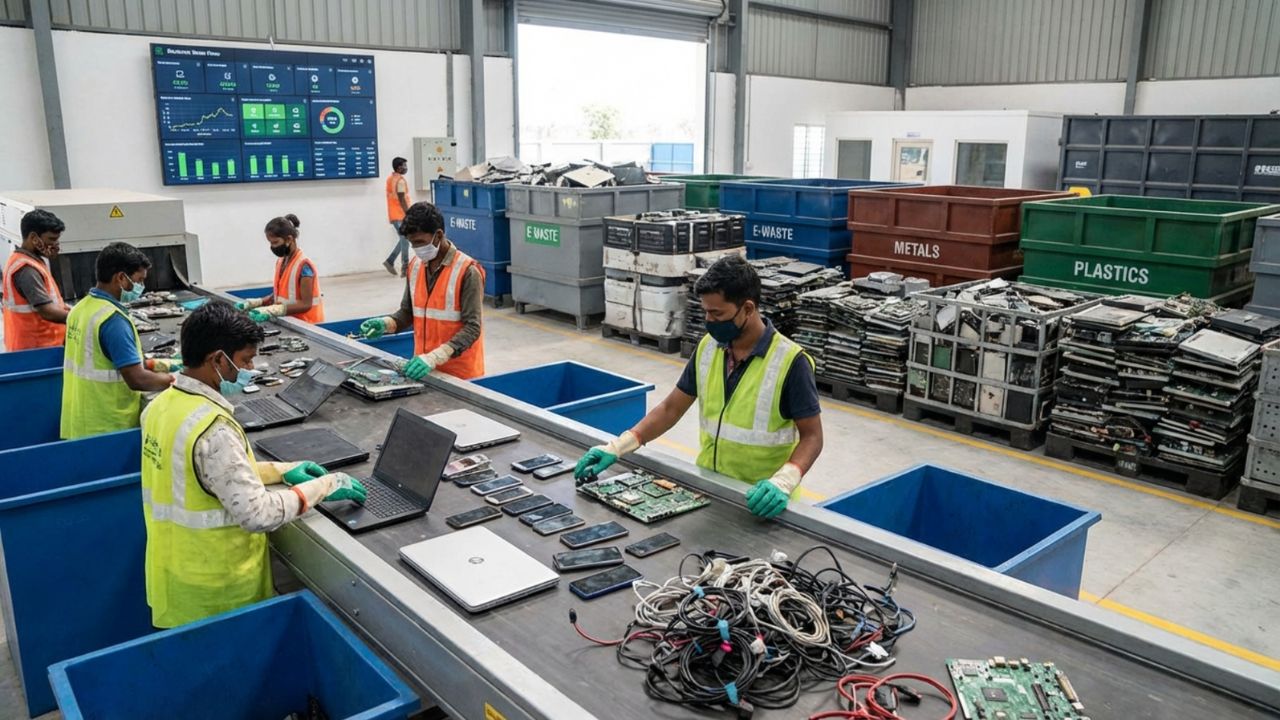
Electronic products such as smartphones, computers, televisions, and household appliances are widely used across India. As the demand for these devices increases, the volume of discarded electronic products also continues to grow. Managing this electronic waste, commonly referred to as e-waste, has become an important environmental challenge.
Electronic waste contains valuable materials that can be recovered through recycling, but it also includes hazardous substances that can harm the environment if disposed of improperly. To address this issue, the Government of India introduced regulatory frameworks that ensure responsible collection, recycling, and disposal of electronic products once they reach the end of their lifecycle.

One of the key systems supporting these regulations is the EPR Portal for E-Waste Management, developed by the Central Pollution Control Board (CPCB). The portal allows authorities to track compliance with the E-Waste (Management) Rules 2022 and ensures that all stakeholders involved in the electronics lifecycle fulfill their environmental responsibilities.
Table of Contents
Understanding the Purpose of EPR Registration
The EPR Portal was created to implement the principle of Extended Producer Responsibility (EPR), which requires producers of electronic goods to take responsibility for managing the waste generated from their products.
Before operating within the electronics supply chain, companies must register on the EPR Portal. This registration process ensures that businesses are officially recognized by regulatory authorities and are prepared to comply with the waste management requirements established under national environmental regulations.
Registration also enables the government to maintain a centralized record of companies involved in the manufacturing, distribution, repair, and recycling of electronic products. By tracking these stakeholders, authorities can monitor recycling activities and verify whether companies are meeting their assigned responsibilities.
The portal therefore acts as a regulatory and monitoring system that ensures electronic waste is handled in an environmentally safe and organized manner.
Producers of Electrical and Electronic Equipment
One of the primary categories required to register on the EPR Portal is producers of electrical and electronic equipment (EEE). In regulatory terms, a producer refers to any entity that manufactures, sells, or imports electronic products under its own brand name.

Producers play a central role in the EPR framework because they introduce electronic products into the market. As a result, they are responsible for ensuring that the waste generated from those products is collected and recycled after the products reach the end of their useful life.
Under the E-Waste (Management) Rules, producers must obtain authorization through the EPR Portal and fulfill recycling targets assigned by the Central Pollution Control Board. These targets are typically calculated based on the quantity of electronic products the company places in the market.
By requiring producers to register and participate in recycling systems, the government ensures that companies remain accountable for the environmental impact of their products.
Manufacturers Involved in Electronics Production
Manufacturers involved in the production or assembly of electronic equipment are also required to register on the EPR Portal. These entities may produce components, assemble electronic devices, or manufacture electrical equipment that will eventually be sold to consumers.
During the manufacturing process, certain types of waste may be generated, including defective components or discarded materials. Proper handling of this waste is necessary to prevent environmental contamination and ensure safe recycling practices.
Registration allows authorities to track manufacturing activities and ensure that waste generated during production is managed responsibly. Manufacturers must also follow environmental guidelines related to storage, handling, and disposal of electronic waste produced during manufacturing operations.
Through registration and compliance monitoring, regulators can ensure that manufacturing activities align with national environmental standards.
Importers of Electronic Products
Importers represent another important group that must register on the EPR Portal. Any company that imports electrical or electronic equipment into India for sale or distribution is considered responsible under the EPR framework.
Imported electronic products eventually contribute to the country’s electronic waste stream once they reach the end of their lifecycle. Therefore, importers must ensure that these products are included within the national recycling and waste management system.
Importers are required to report the quantity and category of electronic goods they introduce into the Indian market. Based on this information, regulatory authorities assign recycling obligations that must be fulfilled through authorized recycling channels.
By requiring importers to register, the government ensures that both domestically produced and imported electronics are subject to the same environmental responsibilities.
Authorized Recyclers and Dismantlers
Recyclers and dismantlers play a critical role in the electronic waste management ecosystem. These entities are responsible for processing discarded electronic products and recovering valuable materials through environmentally safe recycling methods.
Recyclers must register on the EPR Portal so that their recycling activities can be tracked and verified by regulatory authorities. This registration ensures that recycling operations follow approved environmental standards and safety guidelines.
Authorized recyclers issue digital recycling certificates that confirm the quantity of electronic waste they have processed. Producers then use these certificates to demonstrate that they have met their assigned recycling targets under the Extended Producer Responsibility framework.
Registration helps ensure that recycling activities are conducted by authorized facilities rather than informal or unsafe operations.
Refurbishers of Electronic Equipment
Refurbishers are companies or organizations that repair, upgrade, or restore electronic devices so that they can be reused instead of discarded. These businesses play an important role in extending the lifespan of electronic products and reducing the overall volume of electronic waste.
Under the E-Waste (Management) Rules 2022, refurbishers must register on the EPR Portal and report the products they refurbish and reintroduce into the market. By tracking refurbishment activities, authorities can better understand how electronic products move through different stages of reuse and recycling.
Refurbishment supports sustainable electronics consumption because it delays the entry of devices into the waste stream. This contributes to resource conservation and reduces the environmental impact associated with manufacturing new products.
Registration ensures that refurbishment activities are carried out responsibly and in compliance with environmental regulations.
Importance of Mandatory Registration
Mandatory registration on the EPR Portal plays a crucial role in improving transparency and accountability in electronic waste management. By maintaining a centralized database of all stakeholders, regulators can monitor the movement of electronic products and track recycling activities more effectively.
Registration also ensures that businesses operate within a regulated framework that promotes safe handling and environmentally responsible waste management practices. Companies that fail to register or comply with EPR obligations may face penalties or regulatory actions under environmental laws.
Furthermore, the portal enables policymakers to collect reliable data on electronic waste generation and recycling across the country. This information helps authorities design more effective environmental policies and improve waste management infrastructure.
Overall, mandatory registration strengthens the regulatory framework and supports the development of a sustainable electronics ecosystem.