
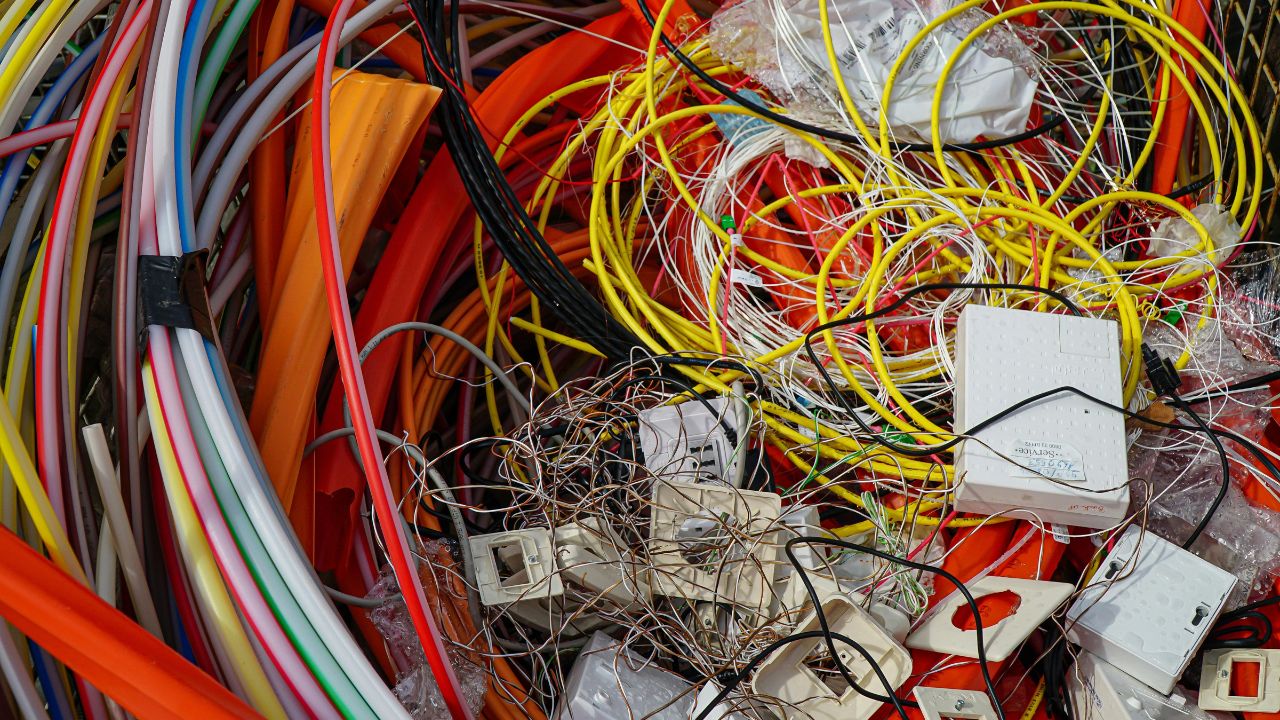
India has produced a significant volume of electronic waste in the financial year 2025–26, highlighting the growing environmental challenge linked to rising digital consumption. According to data shared in Parliament, the country generated more than 14.14 lakh metric tonnes (MT) of e-waste during the current fiscal period.
The figures were presented in the Lok Sabha by Union Minister of State for Environment, Forest and Climate Change, Kirti Vardhan Singh, based on estimates from the Central Pollution Control Board (CPCB).
Table of Contents
Recycling Progress Shows Mixed Trends

Out of the total e-waste generated, approximately 9.79 lakh metric tonnes has been recycled so far.
This indicates that while a large portion of waste is being processed, a considerable amount still remains outside formal recycling channels. The gap highlights ongoing challenges in collection, awareness, and infrastructure across the country.
Year-on-Year Increase in E-Waste Generation
Government data shows that e-waste generation in India has been rising steadily over the past few years.
- In 2024–25, around 13.97 lakh MT of e-waste was generated.
- In 2023–24, the figure stood at 12.54 lakh MT.

This consistent increase reflects growing consumption of electronic devices, shorter product life cycles, and rapid technological upgrades.
How E-Waste Is Calculated in India
The Central Pollution Control Board calculates national e-waste figures using a structured methodology.
The assessment is based on the average lifespan of 106 categories of electrical and electronic equipment (EEE).
This approach helps estimate how much waste is generated when devices reach the end of their usable life.
Regulatory Framework Governing E-Waste
India manages electronic waste under the E-Waste (Management) Rules, 2022, which aim to ensure safe and environmentally sound handling of discarded electronics.
The rules focus on strengthening Extended Producer Responsibility (EPR). Under this system:
- Producers are responsible for collecting and recycling their products
- Manufacturers, recyclers, and refurbishers must register on a CPCB portal
- Compliance is monitored through audits and inspections
These measures are designed to improve accountability and promote sustainable recycling practices.
Focus on Formalizing the Recycling Sector
The government is also working to integrate the informal sector into the formal system.
A large portion of e-waste in India is still handled by informal workers, often using unsafe methods. By bringing these workers into the regulated framework, authorities aim to:
- Improve recycling efficiency
- Ensure worker safety
- Reduce environmental damage
Growing Concern Amid Rising Digital Use
The steady increase in e-waste generation reflects India’s rapid digital expansion, including higher usage of smartphones, computers, and consumer electronics.
While recycling capacity is improving, experts note that collection systems, awareness campaigns, and infrastructure need further strengthening to handle future volumes effectively.